Sheep
I have a confession to make: I love sheep. They are by far my favorite animal.
July 9, 2026
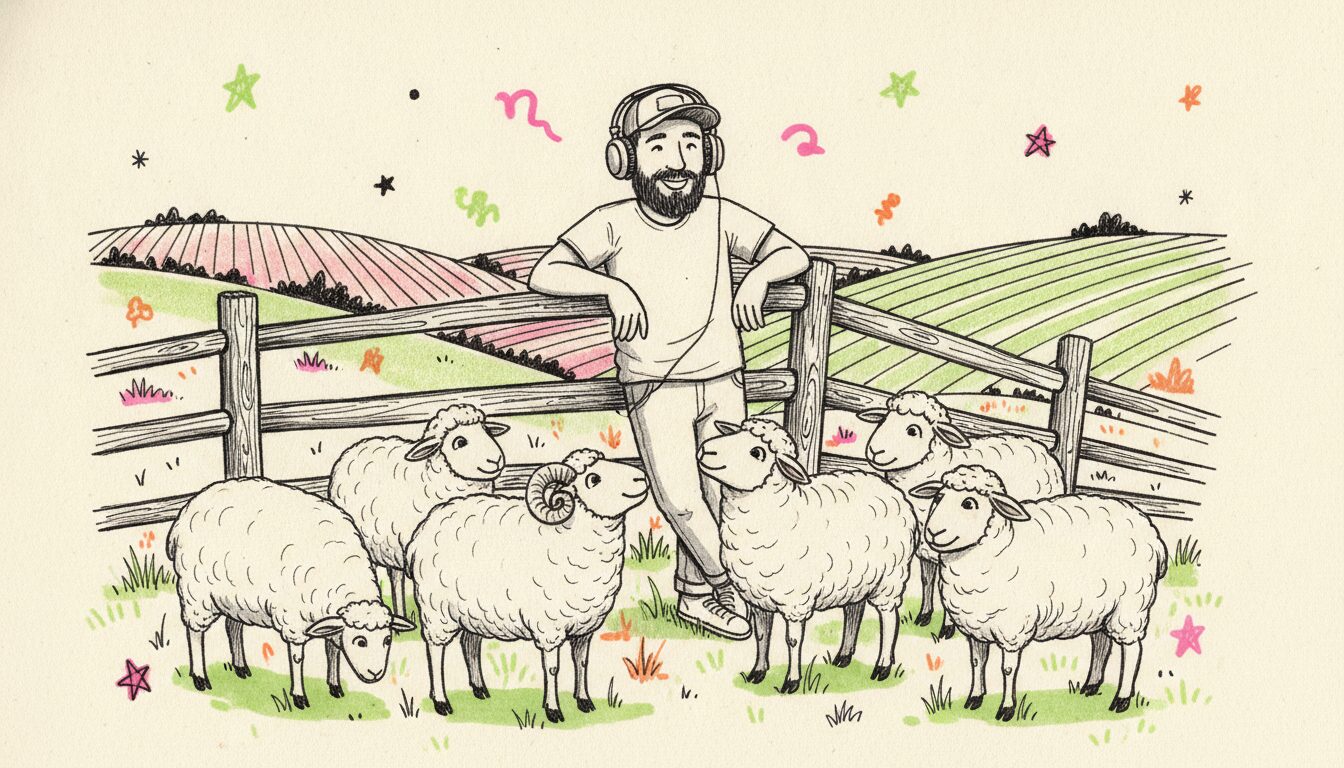
I have a confession to make: I love sheep. They are by far my favorite animal. I'm not sure exactly when it started, perhaps I've always felt this way. And lately, I've started to embrace it because they just make me happy.
Exhibit A: the wool
It might be their wool. That's definitely part of it. Have you ever smelled real wool? The kind that hasn't been bleached to death. If so, you may have noticed it has a smell. Earthy, rustic, a little (hopefully only a little) barnyard. There's something cozy about it.
And wool has this mysterious quality where it's both soft and rough at the same time. It can be scratchy, but it can also be cozy and breathable, sometimes in the same garment. My all-time favorite socks are these from SmartWool made from Merino sheep. I have many pairs and wear them almost every day.
One of my favorite hobbies is to crochet. And of course, I use wool (or wool-blends) to make blankets, scarves, beanies, or even gloves!
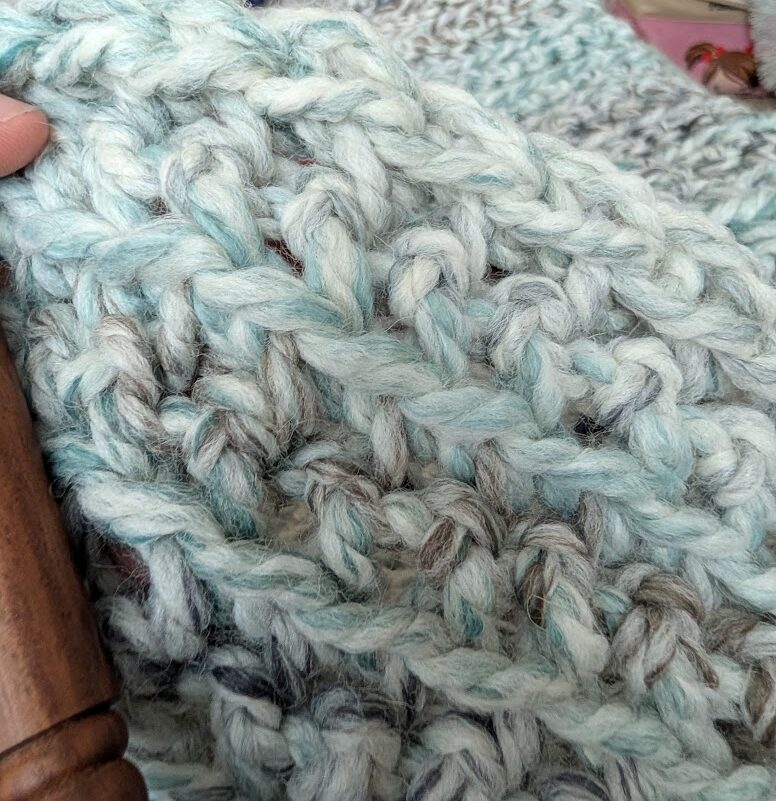
Up close, wool is thousands of little strands, each one a bit frayed, that together behave like a piece of fabric. That's basically what felting is: soap, water, and pounding, until all those little hairs lock together into a sheet you can turn into clothing. In fact, felting is one of the oldest known textile techniques, originating in Anatolia (modern Turkey) around 6000 BC.
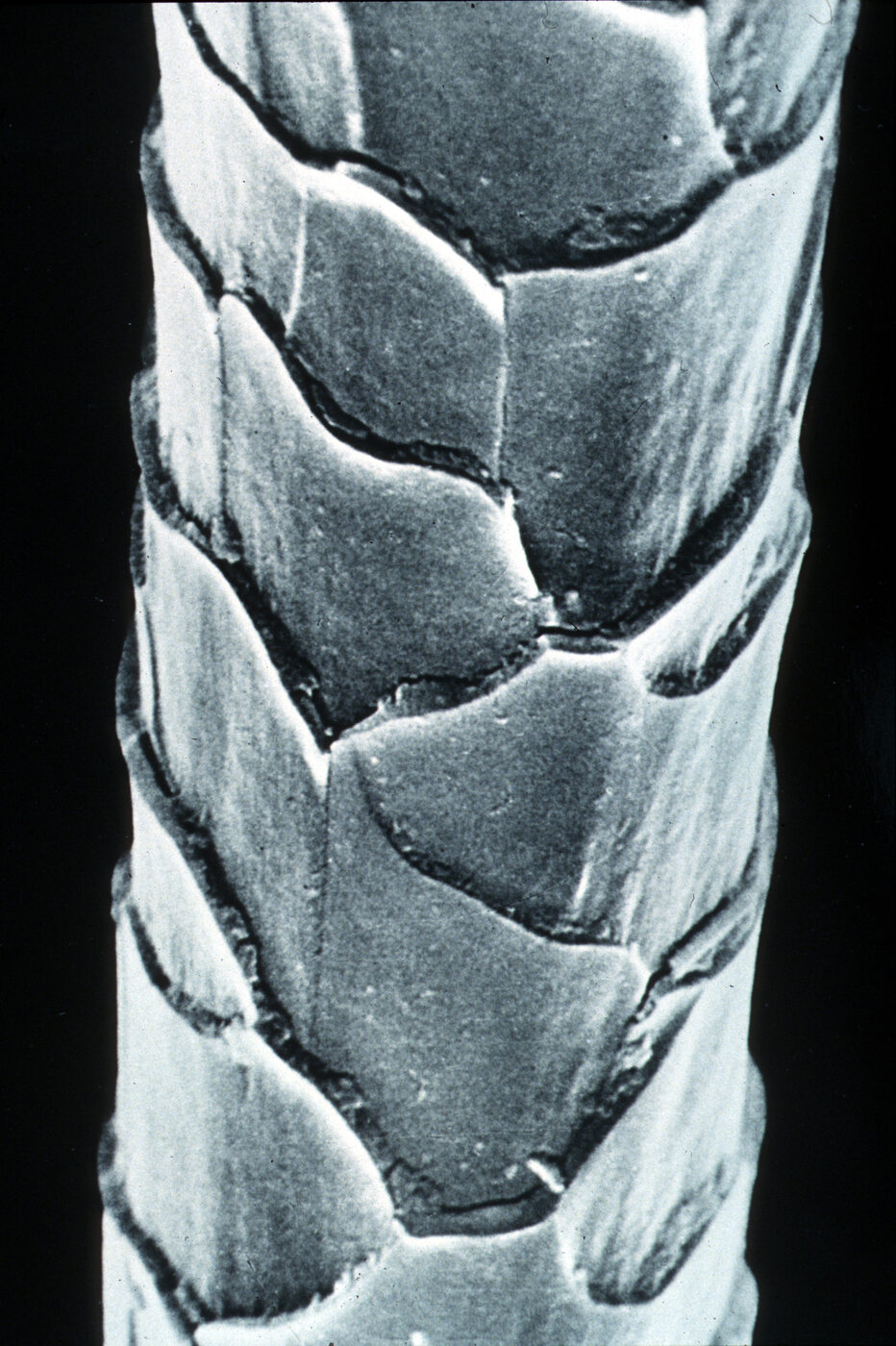
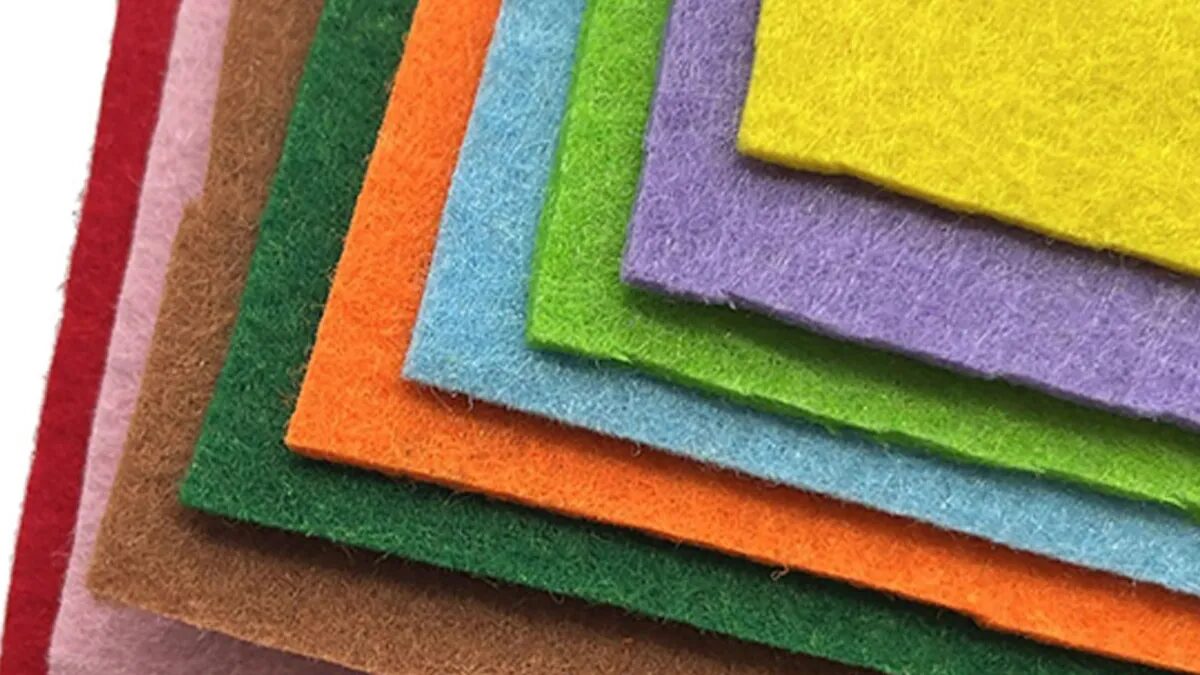
Exhibit B: the sheep themselves
But it's not just the wool. It's also the sheep themselves. A sheep in full coat looks like it's wearing a big cozy blanket (and it grew it itself!). They stand around and eat grass and chomp on things, and sometimes they bleat and run or jump, and the whole time they look like they haven't a worry in the world. They seem happy in a contented way. Like: I'm just me, living day by day. I'm just hanging out. I can grow my own sweater.
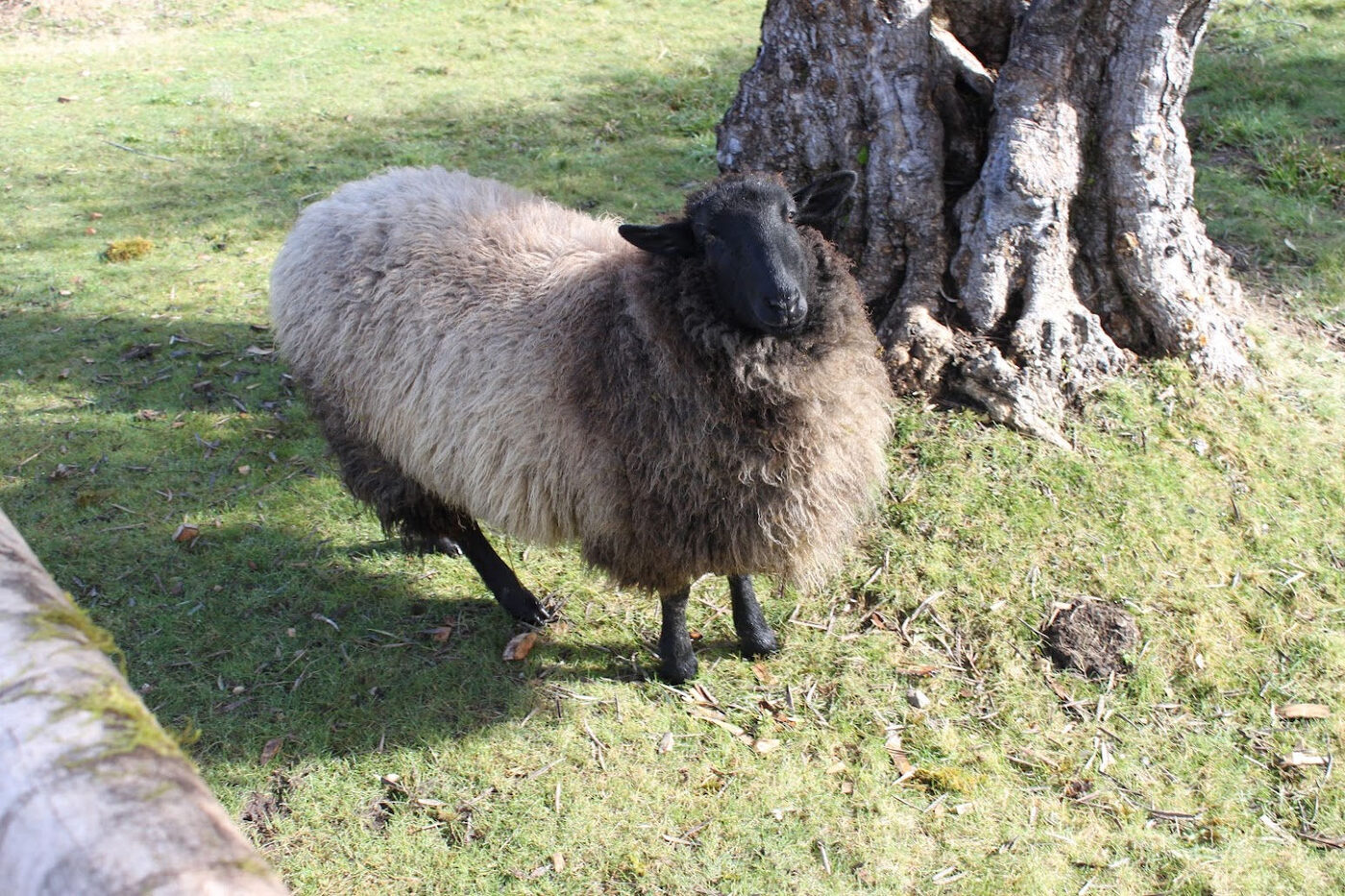
The movies get this, by the way. Babe is a classic and has some great sheep in it, including a whole secret sheep password. More recently, The Sheep Detectives is great. I saw it twice in the theaters. It's a flock setting out to solve their own shepherd's murder, and I love that the sheep each have their own personality and yet are still very much sheep.
Closing argument
People like to say sheep are dumb. Maybe they are, I don't know. But I've never understood ranking animals by intelligence, as if that's the score that matters. Should I admire octopuses and dolphins more because they'd do better on a test? Do you rate cities by how blue their sky is? Sure, you could. But what about everything else the city has to offer? It's just not a useful way to rank things, IMHO.
Here's what I actually value in an animal: predictability. Strange dogs scare me a little, if I'm honest. A strange dog is a strange set of possibilities with teeth. My own dog is not scary precisely because I know exactly what she's going to do, which is nothing bad. Cows have sheep-like souls, but they're too big. One casual swing of a cow's head and I'm on the ground. Sheep are the right size. They're not going to hurt you. They're just living their lives.
We could learn something from sheep.